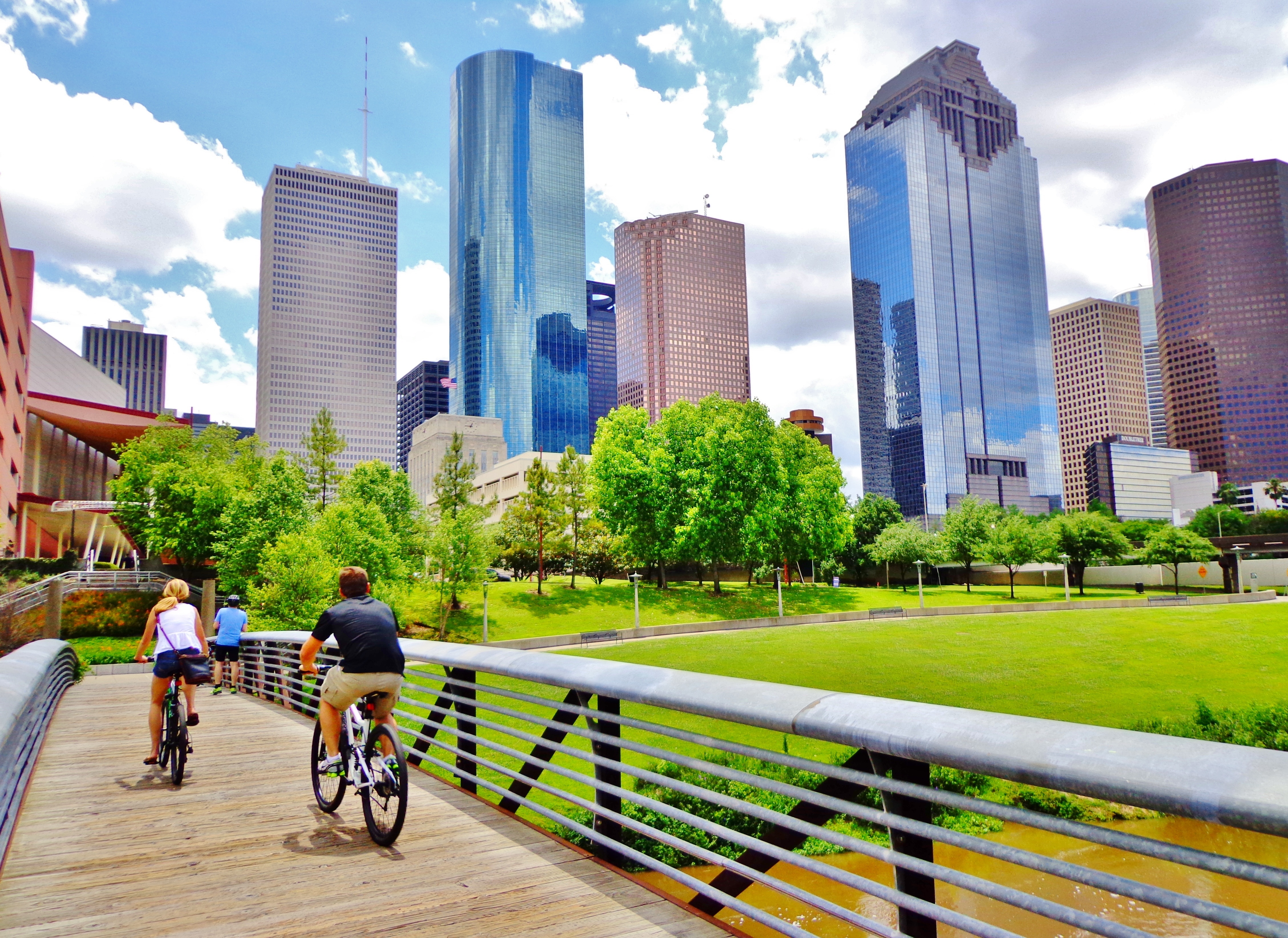
The Greater Houston Partnership has released the 2026 edition of its Houston Facts publication, reinforcing the city’s continued growth and position as one of America's most dynamic hospitality destinations.
From sustained population gains and competitive affordability to a nationally recognized dining scene, the latest data highlights several trends that are helping shape Houston's visitor economy and upward momentum.
Growing Population Supports a Larger Hospitality Ecosystem
Houston continues to add residents at a pace that outperforms many major metropolitan areas in the United States.
The Houston metropolitan area reached 7.9 million residents in 2025, up from approximately 7.1 million in 2020, representing an increase of more than 754,000 people over the past five years. The City of Houston, Harris County, and the broader metropolitan region have all posted population growth during that period.
The rising population fuels Houston’s visitor economy in several ways. A larger local base increases demand for restaurants, attractions, and cultural experiences that are enjoyed by both Houstonians and travelers. Growth also supports workforce development, helping hotels, restaurants, and tourism-related businesses access the resources and talent to meet the increasing demand.
For meeting planners and event organizers, sustained population growth is often viewed as a signal of economic health. Houston's continued expansion enhances its reputation as a city where companies look to convene, invest, and relocate.
Affordability Remains a Competitive Advantage
For the hospitality industry, affordability represents a significant competitive advantage. While other major cities are observing rising living and housing costs, Houston remains one of the nation’s most affordable large metros.
Houston's overall living costs are 7.0% below the U.S. urban average and 25.1% below the average of the nation's 20 most populous metropolitan areas. Housing costs stand out, sitting 20.2% below the U.S. urban average and approximately 50.8% below the average among the country's largest metro areas.
These factors impact both businesses and consumers. Lower operating costs can help organizations invest in internal growth, while affordable housing and living expenses make the area appealing for relocation and retention of residents that contribute to the local economy and promote tourism.
Houston's affordability is also attractive to convention organizers and event planners. Visitors often benefit from competitively priced accommodations, dining, transportation, and entertainment compared with other major convention destinations, creating appeal for attendees and event stakeholders alike.
Houston's Culinary Scene Continues to Gain National Recognition
Food remains one of Houston's most compelling visitor draws. The region is home to 13,492 food service and drinking establishments – up from 13,210 in 2025.
Supporting approximately 292,000 jobs, Houston's restaurant landscape reflects the city's cultural diversity, spanning everything from barbecue and Tex-Mex to globally inspired concepts representing cuisines from around the world.
The area's culinary credibility continues to grow on the national stage. The city is home to multiple Michelin-starred restaurants and 36 Michelin-recognized establishments, while local chefs and restaurants continue to earn recognition from the James Beard Foundation.
As travelers seek authentic and memorable experiences with diverse cultural offerings, Houston's dining has become a key differentiator in a highly competitive tourism marketplace. Whether visitors are attending a convention, a family gathering, or a weekend getaway, the city's culinary footprint provides another reason to extend their stay and explore Houston's neighborhoods.
For more information on Houston Facts, click here
Written by Mike Horton